

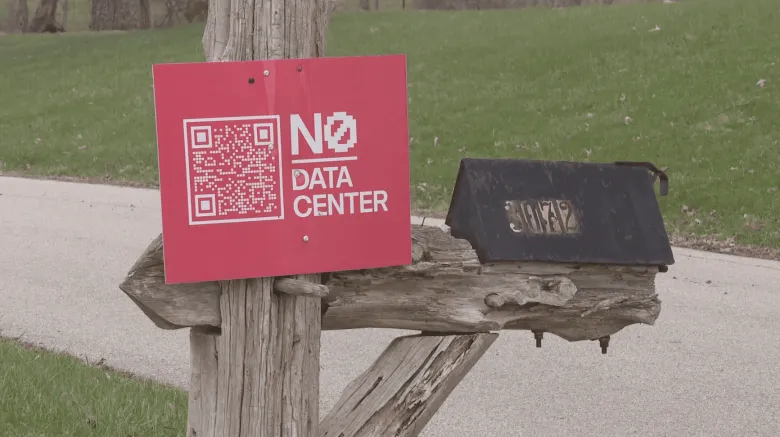
In Northern Kentucky, a farming family rejected an offer to sell part of their agricultural land for $26 million to a company involved in developing artificial intelligence infrastructure. The initiative was linked to plans for constructing a large data center in Mason County, which would significantly alter the local landscape.
This is reported by Business • Media
Traditions vs. Technological Progress
The landowners, Ida Huddleson and her family, control about 1,200 acres of land that has been in their possession for several generations. In 2025, a company that has not disclosed its name approached the family with an offer to purchase approximately half of the property at a price that significantly exceeded the market rate—$60,000 per acre, while the standard cost is around $6,000. Despite the favorable financial terms, the family firmly declined the deal due to their deep connection to the land and their unwillingness to lose their farm.
“$26 million means nothing,” said Huddleson’s daughter.
Local Community and Environmental Risks
82-year-old Ida Huddleson emphasized that promises of new jobs and economic development seem unfounded, and the project itself could pose a threat to the ecology, water resources, and agricultural production of the region. For the family, this land is not just an asset but the foundation of their way of life and a stable source of food. Among their main concerns are the destruction of agricultural land and the negative impact on the local community.
Despite the Huddlesons’ refusal, the company is not abandoning its plans. It has already begun negotiations with neighboring landowners, some of whom have agreed to sell. Local authorities are considering a request to change the zoning of nearly 28 parcels of land totaling over 2,000 acres. Public hearings on this matter are scheduled for the end of March 2026.
This situation vividly illustrates the tension that arises between the needs of technology companies and the interests of local communities. According to analysts, similar conflicts surrounding the development of artificial intelligence infrastructure in the US are becoming increasingly common. Local residents are becoming more active in opposing large-scale projects that could harm the environment and traditional ways of life.