

One of the early Bitcoin miners, who operated during the times of Satoshi Nakamoto, has transferred 2,650 BTC, amounting to over $200 million, to the market makers FalconX and Cumberland. This event has drawn attention amid the growing focus on the activities of large market players.
This is reported by Business • Media
Transaction Details and Remaining Assets
According to researchers, the transfer occurred in three separate transactions. Despite the significant transfer, the miner still holds approximately 6,000 BTC, currently valued at around $462 million.
“Such fund movements often precede asset sales, but the exact purposes of these transactions remain unknown.”
The placement of these funds in the accounts of market makers may indicate a potential preparation for sale or redistribution of assets; however, there is no official information regarding the owner’s next steps.
Increased Activity of Old Bitcoin Wallets
In recent weeks, the market has observed an uptick in activity from holders of old Bitcoin addresses. Notably, on May 10, 2026, another large investor moved 500 BTC for the first time in 12 years — at the time of the transaction, the value of these coins was approximately $40 million. Additionally, in April, another major player transferred Bitcoin to Binance worth around $20 million.
Such large transactions traditionally attract the attention of traders and may indicate upcoming market changes, particularly preparations for the sale or redistribution of significant asset volumes.
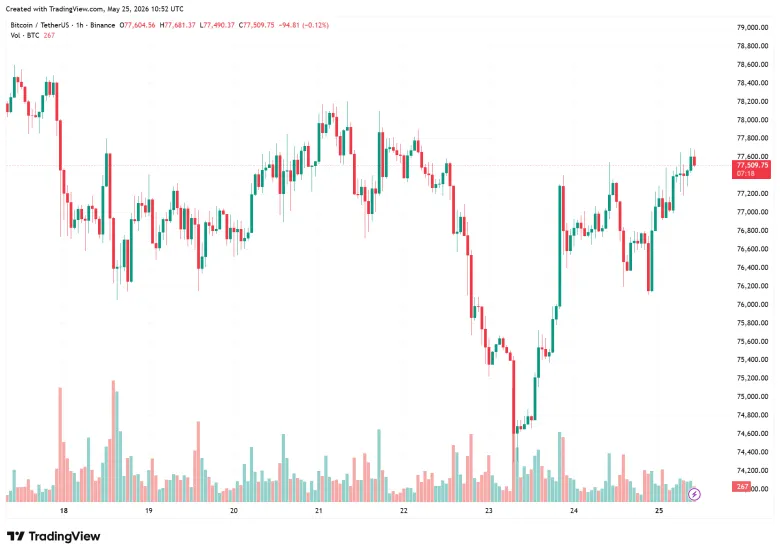
At the time of preparing this material, Bitcoin was trading at approximately $77,500, having gained 0.6% in the last 24 hours and 0.04% over the week. Meanwhile, the price of the first cryptocurrency remains significantly lower than its historical peak of over $126,000, recorded in October 2025. Over the past six months, the asset has lost 11.3% of its value.

Experts also point to similar cases in other cryptocurrencies: recently, the activation of two “sleeping” Ethereum whales was recorded, which may indicate a new trend among large investors.