

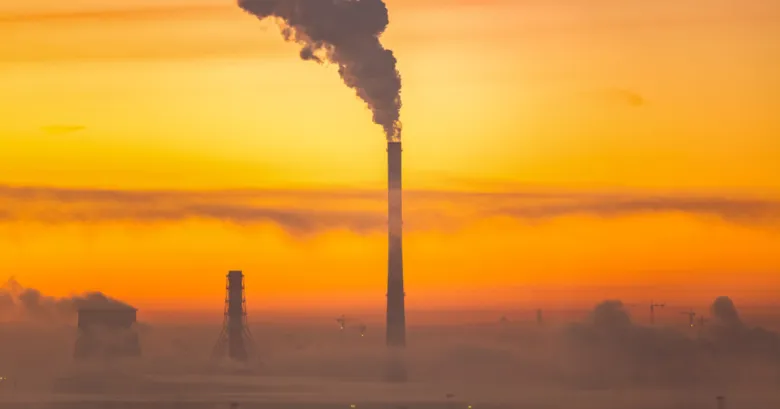
Global greenhouse gas emissions related to the energy sector increased by 0.8% in 2024, reaching 37.8 gigatons for the first time in history. This is stated in a new report by the International Energy Agency (IEA). According to the analytical document, CO₂ emissions from fuel combustion rose by approximately 1% last year, amounting to about 357 million tons. At the same time, emissions resulting from industrial processes decreased by 2.3% or 62 million tons, which is a positive signal regarding emission reductions in this area.
This is reported by Business • Media
Overall, in 2024, the increase in emissions was lower than the growth of the global gross domestic product (GDP), which was 3.2%. This indicates a trend of decoupling economic growth from emissions growth, which was disrupted in 2021. Regionally, the situation varied. Emissions increased in emerging market and developing countries, as well as in international aviation and maritime transport, exceeding reductions in developed countries such as the European Union, Japan, and the United States.
Changes in Emissions by Country and the Impact of Factors
In countries with transitional economies and developing countries, energy-related emissions increased by 1.5% in 2024. Specifically, in China, this figure rose by approximately 0.4% year-on-year, with most of the increase occurring in the first quarter. Energy demand in China was sustained throughout the year due to record heat, economic stimulus measures, industrial growth, and the recovery of the housing and services sectors. At the same time, the development of clean energy sources, particularly wind and solar, helped offset this impact.
According to data, China is expanding its carbon trading system by adding the steel, cement, and aluminum industries. This means that over 1,500 enterprises will be required to purchase carbon credits. Overall, the volume of CO₂ emissions covered by the system will reach 8 billion tons, accounting for over 60% of total emissions in the country.