

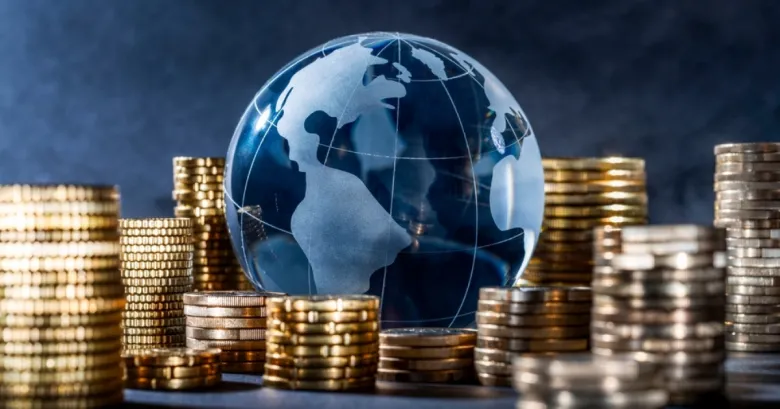
The International Monetary Fund (IMF) has updated its forecast for global economic growth, predicting a slowdown to 2.8% in 2025, which is a decrease from previous estimates. The World Economic Outlook (WEO) report indicates that growth rates in 2026 will be around 3%. This move is attributed to rising trade tensions and a high level of political uncertainty, which significantly impact the global economy.
This is reported by Business • Media
Reasons for the Forecast Change and the Impact of Trade Tariffs
According to the new forecast, the January review anticipated global GDP growth of 3.3% in 2025 and 2026. However, the situation has changed due to shifting policy priorities among governments worldwide. In particular, since the publication of the January forecast, new trade tariffs have been implemented by the United States, along with reactions from trading partners, culminating in the introduction of nearly universal American tariffs in April and raising tariff rates to levels not seen in the last century.
“These measures create a significant negative shock to growth and complicate forecasting,” the IMF emphasizes.
As a result of these actions, the global economy is experiencing significant fluctuations and instability. The IMF describes its updated forecast as a “reference point,” based on data as of April 4, 2025, including tariffs from April 2 and initial market reactions. It also considers various scenarios for trade policy developments and their impact on the global economic climate.
Forecasts for Ukraine and Global Inflation
Regarding Ukraine, the IMF has maintained its GDP growth forecast at 2% for 2025 and 4.5% for 2026. Experts also predict that global inflation will decrease more slowly, reaching 4.3% in 2025 and 3.6% in 2026. Previously, IMF Managing Director Kristalina Georgieva noted that the fragmentation of the global trading system is increasing attention to national security issues, favoring local production of goods such as steel and a return to self-sufficiency. It is also worth mentioning that the World Trade Organization has significantly downgraded its forecast for global merchandise trade in 2025, expecting a contraction of 0.2% instead of the anticipated growth of 3% in October of last year.