

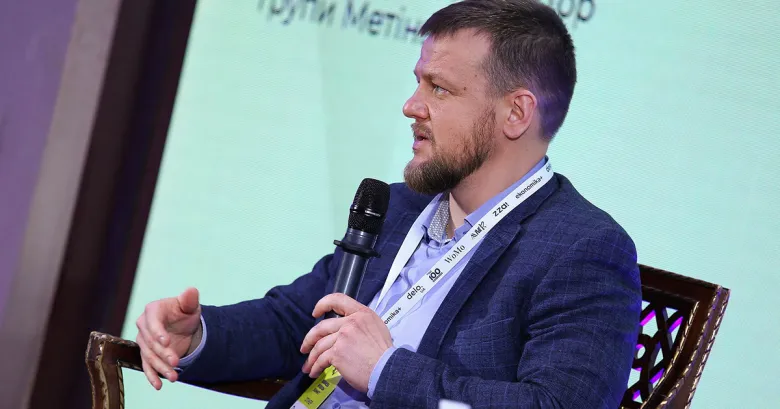
One of the main problems of the Ukrainian mining and metallurgical complex is the shortage of metallurgical scrap, which is exacerbated by the increasing volumes of its export outside the country. This raises concerns in the industry, as the strategically important raw material supply for domestic steel production is diminishing, negatively impacting the country’s economy.
This is reported by Business • Media
Increase in Exports and Its Consequences for the Metallurgical Industry
According to Alexander Mironenko, the operational director of the Metinvest group, in 2024, the export of scrap from Ukraine increased nearly sixfold compared to 2022. He emphasized that in 2024, about 293.2 thousand tons of metallurgical scrap were exported, which is 60% more than the previous year. In the first three months of 2025, exports increased by 32% compared to the same period in 2024, reaching 80.9 thousand tons, although it decreased by 10.9% compared to the previous quarter.
“We are selling strategic raw materials abroad for $250 per ton, while the cost of finished steel ranges from $550 to $600,” noted Mironenko. He emphasized that the export of scrap is economically unviable for the state, as each ton used for the production and export of steel brings an additional $1,200 in foreign currency revenue and 15,000 hryvnias in taxes to Ukraine. According to him, limiting scrap exports is a necessary step to support domestic metallurgical production.
Other Challenges for Ukrainian Metallurgy
In addition to the export issue, the industry faces high tariffs for services provided by natural monopolies, which significantly complicates the operations of enterprises. According to Mironenko, since 2021, the cost of electricity transmission has increased by 2.3 times, the gas transportation tariff has increased fourfold, and railway tariffs have risen from 1.7 to 2.4 times. This significantly raises logistics and energy supply costs.
Additionally, one of the most serious challenges for the industry is the shortage of personnel, which accounts for 10 to 15% of the total workforce. The expert also emphasizes the need to reduce dependence on imported components and strengthen the domestic production base to stabilize the industry and enhance its competitiveness.
Overall, the increase in the export of metallurgical scrap negatively affects the domestic steelmaking industry, requiring systemic measures and strategic decisions to stimulate domestic production and support the country’s economy.