

As a result of large-scale attacks by Ukrainian drones on Russian export oil infrastructure and the detention of tankers from the so-called “shadow fleet” in Europe, the Russian Federation has lost at least 40% of its export oil capacity, which amounts to about 2 million barrels per day.
This is reported by Business • Media
Scale of Strikes on Key Russian Oil Ports
Throughout March, Ukraine significantly intensified drone attacks on Russia’s oil export infrastructure. The targets included all three major western export ports of Russia — Novorossiysk on the Black Sea, as well as Primorsk and Ust-Luga on the Baltic Sea. Oil pumping stations and refineries were also hit, including the KINEF refinery in the city of Kirishi, Leningrad region, which was attacked on March 26.
Significant damage to port infrastructure has led to a substantial reduction in oil unloading volumes. In particular, the port in Novorossiysk, which typically handles up to 700,000 barrels per day, is operating at a noticeably reduced capacity following a powerful attack by Ukrainian drones. Meanwhile, the export terminals in Primorsk and Ust-Luga on the Baltic completely halted oil and petroleum product unloading on March 25 after drone attacks on March 23-24.
Losses of the “Shadow Fleet” and Russia’s Response
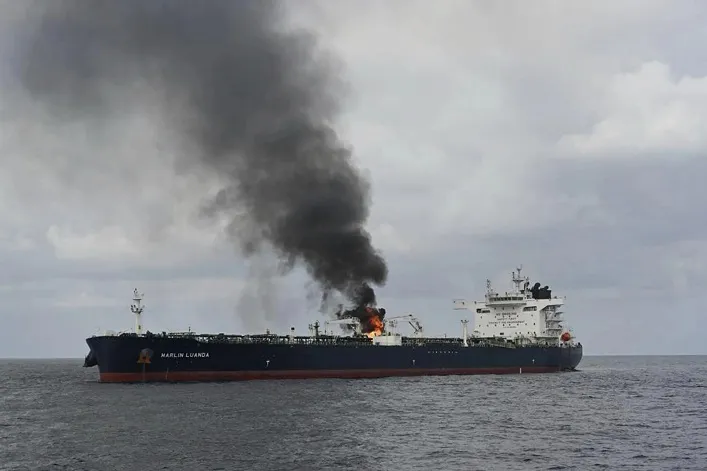
In addition to drone attacks, the export capabilities of the Russian Federation have been negatively impacted by frequent detentions of “shadow fleet” tankers in European ports. This has led to the disruption of an additional 300,000 barrels per day, particularly from the port of Murmansk. The United Kingdom has allowed its military to seize shadow tankers from Russia that do not comply, are armed, or use modern technologies to evade detention. Shadow tankers have also repeatedly become targets of drone attacks, including the Altura tanker, which was transporting Russian oil and was attacked in the Black Sea on March 26.
“This stoppage is the most serious disruption in oil supply in modern Russian history – and it struck Moscow just as oil prices exceeded $100 per barrel due to the U.S. war with Iran.”
In light of the loss of a significant portion of exports, Russian authorities are considering the possibility of reinstating a ban on gasoline exports to ensure the domestic market. Ukraine’s main goal remains to reduce Moscow’s revenues from oil and gas sales, as well as to weaken the military potential of the aggressor country.