

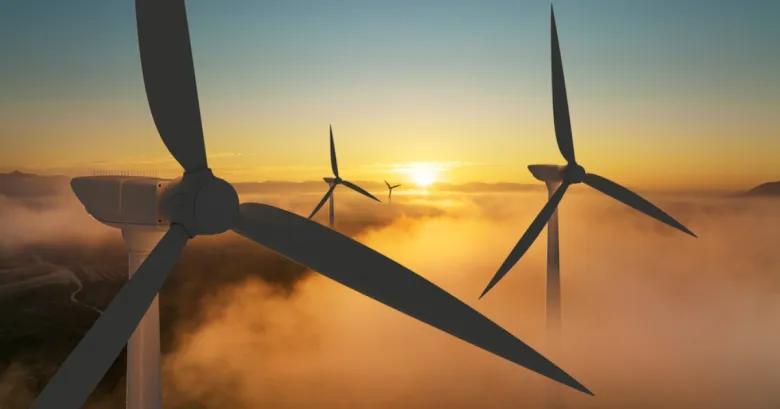
ArcelorMittal Europe is supplying high-quality, low-carbon steel for the construction of the Nordlicht 1 offshore wind farm in Germany. This is the second joint project with wind turbine manufacturer Vestas, utilizing XCarb steel, which has a 66% smaller carbon footprint compared to converter production. According to ArcelorMittal representatives, the steel is produced with over 95% recycled materials using renewable energy sources, highlighting their commitment to sustainable development.
This is reported by Business • Media
Significance for the Energy Sector
Denis Parein, Sales and Marketing Director for Heavy Plates Europe, stated: “By supplying low-emission steel for Germany’s largest offshore wind farm, ArcelorMittal demonstrates that European-made steel solutions can already be applied to large-scale industrial and energy projects today. This opens up new opportunities for the development of similar initiatives in the near future.”
The Nordlicht Project: An Innovative Approach to Offshore Energy
The Nordlicht offshore wind farm, developed by Vattenfall, will be located in the North Sea off the coast of Germany. It will consist of two facilities – Nordlicht 1 and Nordlicht 2. Construction of Nordlicht 1 is scheduled to begin in 2026, with turbine installation planned for 2027. The entire station is expected to be operational by 2028 and will generate approximately 6 terawatt-hours of electricity per year. The model facility Nordlicht 1 will have a capacity of around 1 GW and will be equipped with 68 Vestas V236-15.0 MW wind turbines, some of which will feature low-emission steel towers.
It is worth noting that over the past year, the share of electricity generated from renewable sources reached a record 32% of global generation, according to data from the analytical center Ember. Along with the increase in nuclear energy production, this figure is expected to rise to 40.9% by 2024, confirming the trend towards a transition to clean energy sources.