

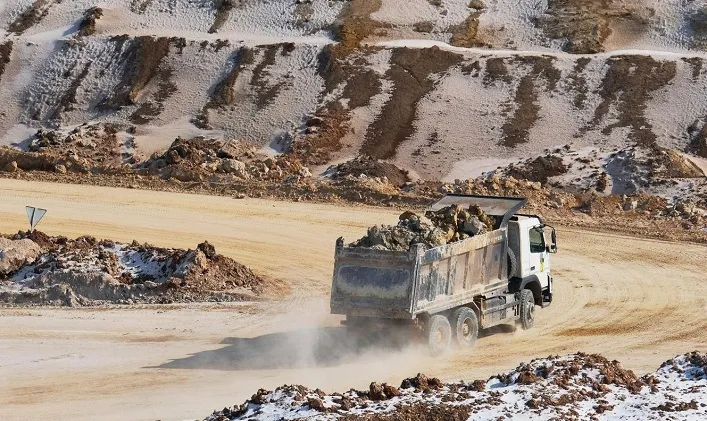
The European Union is developing a new strategy to minimize its dependence on China in the import of critical raw materials, particularly rare earth elements. These materials are widely used in the production of electronics, defense products, and batteries, making them extremely important for European industry.
This is reported by Business • Media
EU Plan for Supply Diversification
To achieve this goal, the EU proposes to implement a program focused on material recycling and reducing dependence on a single supplier country. This strategy has already proven effective during the energy crisis when European countries were able to mitigate the impact of disruptions in energy resource supplies from Russia.
As part of the new initiative, Brussels plans to sign raw material supply agreements with Ukraine, Canada, Australia, Chile, and several other countries. This choice of partners is driven by the growing influence of Beijing on the global market for critical materials, which are necessary for Western countries to develop green energy, defense sectors, and digital technologies.
Trade Measures and New Production Capacities
The EU is also exploring the possibility of implementing trade measures to counteract export blockades from China if diplomatic efforts do not yield results. This will help safeguard European industry from potential disruptions in the supply of strategic raw materials.
“Brussels will sign raw material supply agreements with Ukraine, Canada, Australia, Chile, and other countries.”
At the same time, Aclara Resources Inc. announced plans to build a rare earth metal processing plant in the USA by 2027, with an investment of $277 million. The capacity of this facility will account for about 14% of the official production volume of similar materials in China. The plant will specialize in the production of magnets, which are key components for electric vehicles and wind turbines.