

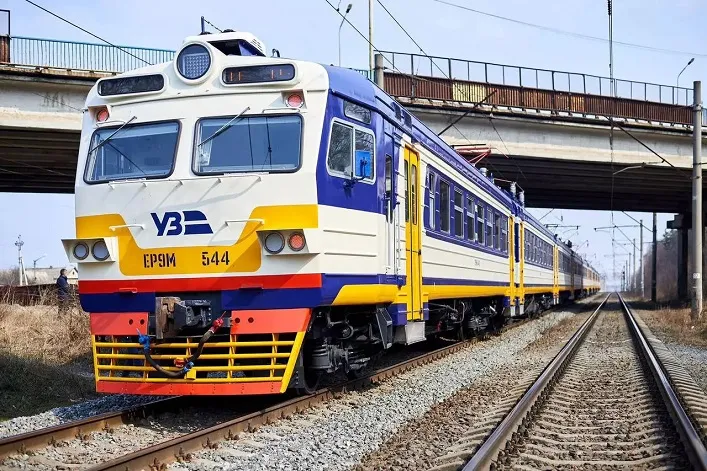
The Cabinet of Ministers has approved a draft law aimed at adapting Ukrainian railways to the requirements and standards of the European Union. The document titled “On the Safety and Interoperability of Railway Transport in Ukraine” initiates significant changes in the management system of the country’s railway transport.
This is reported by Business • Media
Key Innovations of the Draft Law
- Implementation of a modern safety management system for railway transport in accordance with EU criteria.
- Establishment of unified technical regulation and risk assessment rules to enhance safety.
- Creation of a new model for servicing rolling stock with the assignment of responsibility for its technical condition.
- Setting European standards for the admission of train drivers to work, including training and upgrading their qualifications.
- Ensuring the technical and operational compatibility of Ukrainian railway infrastructure with the networks of EU countries.
European Integration and Financial Prospects
“We are transitioning from national standards to unified European rules, which opens up a path for Ukraine to create a common railway transport market, enhances traffic safety, and builds trust with international partners,” emphasized Minister of Development Oleksiy Kuleba.
The adoption of this draft law is part of Ukraine’s fulfillment of its obligations under the Association Agreement with the European Union and the relevant indicators of the Ukraine Facility initiative. This decision allows for the expectation of multi-billion financial support from the EU and the World Bank.
According to the draft law, in conjunction with future subordinate legislation, Ukraine will be able to fully implement European legislation in the areas of safety, technical compatibility, and licensing of railway carriers. After consideration in the Verkhovna Rada and adoption, the main provisions of the law will come into effect three years from the date of publication. Such a transitional period is necessary for the gradual adaptation of the industry to the new requirements and standards of the EU.