

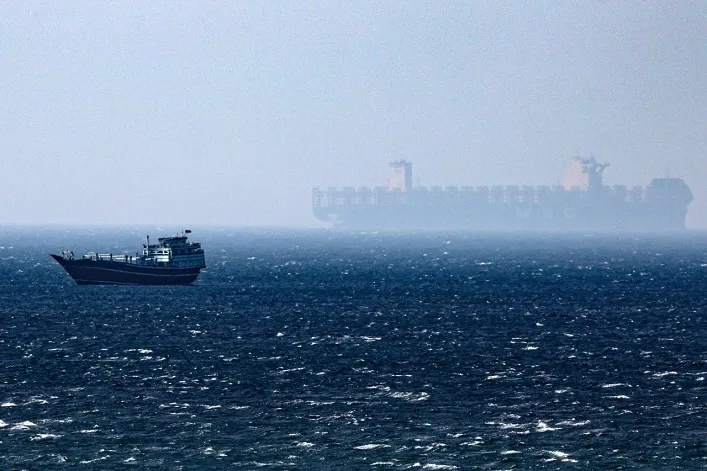
The war between Iran and the countries of the Persian Gulf has triggered the largest energy shock in history, significantly impacting global oil and gas markets. According to the International Energy Agency (IEA), it may take at least six months, if not longer, for energy exports from the region to fully recover.
This is reported by Business • Media
Blockade of the Strait of Hormuz and Its Impact on Energy Markets
According to IEA Director Fatih Birol, the effective blockade of the Strait of Hormuz by Iran has led to an unprecedented reduction in supply worldwide. The volume of lost energy is twice that faced by Europe after the cessation of Russian gas supplies in 2022. Oil losses have already surpassed the levels of the two major oil crises of the 1970s, which then resulted in a global recession and fuel shortages.
The head of the IEA emphasizes that the global community and markets have yet to fully grasp the scale of this crisis. The problem is worsening day by day as energy flows from the Middle East remain blocked. Even with a swift resolution to the conflict and the reopening of the strait, it will take a considerable amount of time to restore operations at damaged or halted oil and gas fields.
“The greatest threat to global energy security in history.”
Threat to the Global Economy and Food Security
In addition to the energy deficit, the hostilities in the Persian Gulf have led to a complete halt of key supply chains for petrochemical products, fertilizers, sulfur, and helium. According to Fatih Birol, this poses significant risks to the global economy. The threat of halting fertilizer exports from the region is particularly serious, as it could trigger a food crisis worldwide.
The IEA is prepared to release 400 million barrels of oil from strategic reserves, but this is seen as a temporary measure. According to Birol, the only effective solution for stabilizing the market is the restoration of shipping through the Strait of Hormuz. Countries in Asia, which have a significant dependence on oil and gas imports from the Middle East, are suffering the most from the current situation.