

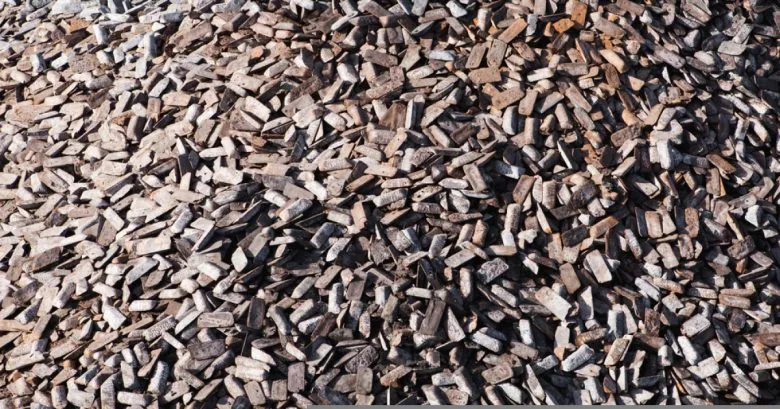
In the first two months of 2025, the European Union (EU) imported 1.35 million tons of metallurgical products of Russian origin, which is 71.4% more compared to the same period last year. The expenditures amounted to 535.2 million euros, exceeding last year’s figures by 47.3%, according to data from the analytical center GMK Center based on Eurostat statistics.
This is reported by Business • Media
The majority of the imports consisted of pig iron, with 678.4 million tons delivered to the EU in the first two months of 2025, which is 8.7 times higher than last year’s figures. The expenditures for this product reached 247.65 million euros, which is 7.9 times higher than last year. The largest consumers of pig iron from Russia are Italy — 506.2 thousand tons, Latvia — 87.2 thousand tons, Belgium — 31.07 thousand tons, and Poland — 23.85 thousand tons.
Import of Semi-finished Products and Other Metallurgical Goods
In addition to pig iron, the EU significantly imported metallurgical semi-finished products — 551.43 thousand tons, which is 16.2% more compared to last year. The revenues of Russian metallurgical companies from such product deliveries amounted to 250.95 million euros. The main importing countries are Belgium with 246.9 thousand tons (+74.4% year-on-year), Italy — 152.69 thousand tons (+18% year-on-year), and Denmark — 81.1 thousand tons (-14.8% year-on-year).
While exports of ferroalloys from Russia to the EU have nearly stopped, totaling only 1.7 tons compared to 11.4 thousand tons in 2024, imports of scrap from Russia decreased to 3.21 thousand tons (-4.4%). The expenditures for scrap purchases amounted to 1.67 million euros, which is 1.3% less than last year. No iron ore was supplied to the EU, but during this period, imports of DRI (Direct Reduced Iron) from Russia amounted to 115.45 thousand tons, which is 44.9% less compared to last year, with expenditures totaling 34.92 million euros, which is 51.2% less.
In February 2025, the EU imported from Russia — 203.86 thousand tons of pig iron (+4.8 times year-on-year, -57% month-on-month), 267.44 thousand tons of semi-finished products (-6.5% year-on-year, -5.8% month-on-month), 65.05 thousand tons of DRI (+2.9 times year-on-year, +29.1% month-on-month), and 2.98 thousand tons of scrap (+80% year-on-year). In total, the volume of imports of mining and metallurgical products from Russia in 2024 amounted to 5.34 million tons. Despite the sanctions, Russian metallurgical companies continue to generate significant revenues from exports to the EU, which last year exceeded 2.5 billion euros, indicating the low effectiveness of the sanctions and the existence of exceptions for Russian metallurgy.