


In early May 2025, Ukraine signed an important agreement with the United States of America to establish an investment fund for reconstruction. The signing of this document by the First Deputy Prime Minister – Minister of Economy, Yulia Svyrydenko, was the result of prolonged negotiations and careful discussions at both national and international levels. Significant aspects of this agreement relate not only to attracting investments but also to opening new prospects for the development of the domestic economy, particularly in the field of extraction and processing of mineral resources.
This is reported by Business • Media
Strategic Partnership and Key Economic Benefits
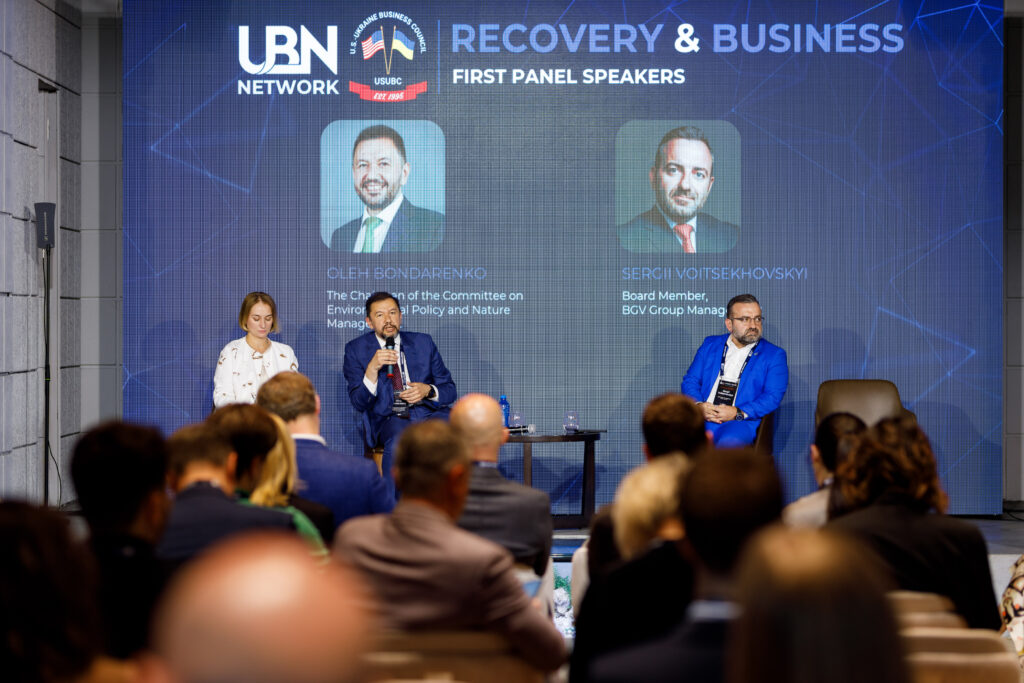
According to Oleg Bondarenko, the head of the Committee of the Verkhovna Rada of Ukraine on Environmental Policy and Natural Resource Management, the signed agreement is a political step in the current geopolitical conditions, demonstrating the priority of cooperation with the USA for Ukraine. For the American side, Ukraine is becoming a promising partner in supplying strategic raw materials, including titanium, lithium, graphite, rare earth metals, and uranium, which are essential for the aerospace, automotive, defense, and other high-tech industries in the USA.
The agreement provides Ukraine with the opportunity not only to develop the mining sector but also to form complete chains of enrichment, processing, and exporting raw materials to global markets. This is expected to facilitate the attraction of foreign investments, the creation of new production sectors, the development of territories, and the enhancement of the economy’s competitiveness. At the same time, as noted by an expert, the impact of the agreement on GDP and the investment climate can only be assessed after its practical implementation.
“We will not stop at merely extracting minerals. Our goal is to extract minerals followed by their enrichment and processing, and thus create supply chains for critical raw materials to external markets.”
Risks, Regulatory Environment, and Conditions for Effective Cooperation
An important component of implementing the agreement is adherence to environmental standards and the adaptation of national legislation to the requirements of the European Union. Oleg Bondarenko emphasizes that Ukraine already has European mechanisms to prevent the negative impact of industry on the environment; however, the regulatory framework needs further improvement. Special attention should be given to harmonizing environmental impact assessment procedures when issuing mining licenses, as well as regulating land use issues and ensuring access to energy resources for the development of the sector.
The execution of the agreement depends on the readiness of the subsoil use market and the transparency of legislation. Ukraine already has a number of tools to attract investors, including concessions, public-private partnerships, and state support for projects with significant investments. However, further optimization of legislation, digitization of geological information, and creating a favorable environment for investors remain priority tasks.
In the short term, the agreement primarily has a political nature, as it demonstrates Ukraine’s strategic choice and strengthens its security positions. At the same time, in the long term, this cooperation has the potential to transform the structure of the country’s economy, create new industrial sectors, enhance the technological level of production, and ensure sustainable development.
Attracting American investors who have influence over political institutions in the USA also opens up additional guarantees of support for Ukraine in the areas of security, defense, and policy. Such multi-vector cooperation allows for hopes of creating new industrial enterprises in Ukraine, developing the processing industry, and enhancing the country’s socio-economic potential in the coming years.