

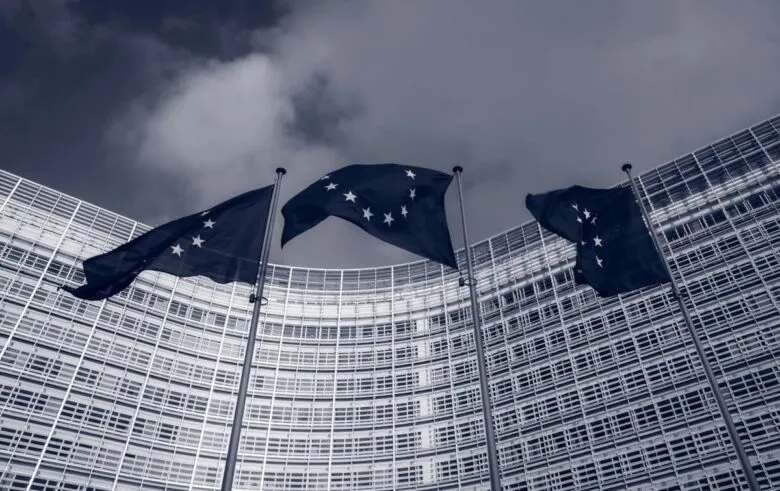
Hungary has officially lifted its veto that had blocked Ukraine’s Euro-integration process for over 17 months. This decision by the new Prime Minister Péter Madár has cleared the way for the start of formal negotiations regarding the accession of Ukraine and Moldova to the European Union. The first round of negotiations is expected to take place on June 15.
This is reported by Business • Media
Conditions Under Which Budapest Agreed to Lift the Veto
According to reports, the Hungarian government agreed to support Ukraine’s European integration in exchange for signing a comprehensive agreement that includes the expansion of linguistic, educational, cultural, and political rights for the Hungarian minority in Transcarpathia. This agreement resulted from prolonged negotiations between Kyiv, Budapest, Brussels, and other EU countries that urged Hungary to support Ukraine’s Euro-integration course.
Next Steps Towards the EU
At the initial stage, Ukraine and Moldova will begin harmonizing their national legislation with EU norms within the first of six negotiation clusters covering 33 policy areas. According to the Cypriot presidency, consultations are already underway in the EU Council to formally open the first cluster in the coming days.
The Deputy Minister for European Affairs of Cyprus, Marilena Raouna, called the start of negotiations with Ukraine and Moldova a “historic decision.” Ukraine’s Foreign Minister Andrii Sybiha thanked Cyprus for its support and noted Hungary’s constructive position, emphasizing a new phase in relations between Kyiv and Budapest.
“The Deputy Minister for European Affairs of Cyprus, Marilena Raouna, called the decision to start negotiations with Ukraine and Moldova historic.”
Prerequisites and Public Opinion
Ukraine and Moldova received candidate status for EU membership in June 2022. Unanimity among all member states is required for any decisions regarding EU enlargement. In 2024, Hungarian Prime Minister Viktor Orbán set forth 11 conditions for unblocking the process, related to the rights of the Hungarian community in Transcarpathia. The new government of Péter Madár continued this line, and negotiations with Ukraine intensified at the end of May 2026.
Survey results indicate that three-quarters of Ukrainian citizens support EU membership, although less than half expect the country to join the European community quickly.